Spot the early signs
Written by Bianca Duthie & Joané van Oudtshoorn, first published in We Love Pets SA.
Everyone wants what’s best for their pets, especially ensuring they are in good health and are pain free. But it can be difficult recognizing signs that your pet may be in pain or may have underlying physical problems. Many underlying issues can be more effectively treated and managed if they are found early on.
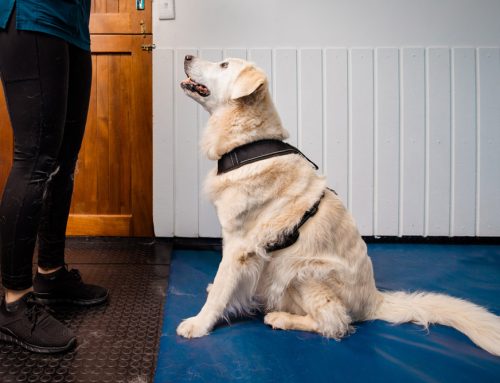
We have all heard the term “puppy” or “sloppy” sit, but what does it mean and when should it not be ignored? Let’s dive into signs and symptoms that your dog or cat might be compromised physically! We’ll look at dogs and cats separately:
DOGS
PUPPIES
Conditions such as elbow dysplasia, hip dysplasia, neurological dysfunction and conformational abnormalities can be recognized in dogs when they are still puppies. Catching these early can significantly improve their prognosis and management, as well as potentially reduce the need for surgery.
 Some signs in puppies include:
- “Sloppy sitting”.
- Pronounced sway through the lumbar spine (lower back) and hindquarters during movement.
- “Bunny hopping” with their back legs when running.
- Flop down into lying as soon as they stop moving around.
- Mild limp which comes and goes.
- Poor coordination like stumbling, slipping or falling.
- Snappy when being touched.
- Snappy or avoidant of other dogs.
- Lethargy
ADULT DOGS
As dogs age, their areas of weakness or compromise begin to show the effects of wear and tear. This can be caused by poor conformation, previous injury, an orthopedic condition, weight gain or compensation.
These signs then become more apparent, and you may notice:
- Persistent mild limp.
- Very short stride length, or short, choppy steps.
- Not wanting to perform activities which were normal for them such as climbing on the couch, getting in or out of the car, doing stairs or playing with toys.
- Changes in behavior such as becoming snappy towards other dogs, avoiding touch or wanting more personal space.
- “Bunny hopping” with back legs while running.
- Fasciculation, most easily seen as a twitch or tremble of the skin as you run your fingers down their back.
- Dipping their back away when being petted.
- Reduced energy on walks.
- Changes in posture such as elbows or knees pointing outwards, stiff and low head position, arched back or dip in back.
- Pacing, using both legs on the same side in unison during gait (like a camel).
- Skipping with back legs during trot.
- Standing with front limbs wide and hindlimbs narrow, or vice versa.
- Flinching, growling or snapping when touched in a certain area.
- Muscle loss.
CATS
Our feline friends are incredibly good at hiding and adapting to pain or dysfunction, making it very difficult to spot. Many times, the signs will be in the form of a change in behavior, routine or activity.
Some signs are:
- Decreased appetite and/or weight loss.
- They may stop grooming themselves.
- If fed on a high up surface – suddenly opting to climb up to food using furniture rather than jumping up.
- Hesitant to jump up or down.
- Struggling to use the litter box (messing outside of the box).
- Dipping away from being pet (if they normally enjoy being pet).
- Not using the cat flap.
- Lethargic with no desire to play or interact with their surroundings.
- Not sharpening their claws.
- Coat changes, particularly becoming oily or rough and dull.

As pet parents we know our fur kids the best and will usually recognize a change in their health, mobility or behavior before it worsens, but often professional help is needed to advise the best possible treatment or lifestyle adjustments to prevent further injury.
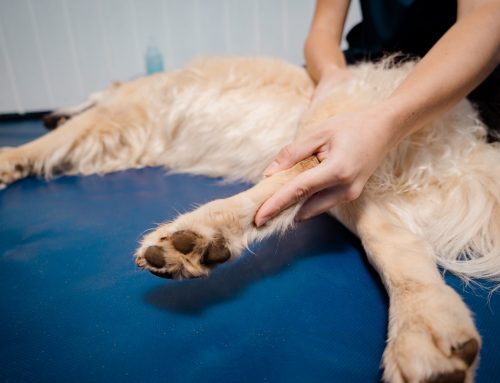
If you are uncertain about whether your furry companion is in discomfort, reach out to a veterinary physiotherapist for a full orthopedic and neurological evaluation. These evaluations can not only localize areas of pain or dysfunction but can also highlight areas of weakness or areas at higher risk of injury before they occur.
Having your puppy evaluated can ensure you correctly manage, strengthen and treat any areas of compromise before they escalate, with the goal of long-term comfort and mobility, and an improved quality of life. Prevention is always better than cure!