Spring makes everyone want to go outside, and after a quiet winter it’s tempting to make up for lost time with one big weekend of activity – a long hike, a big game of fetch, an off-lead run at the beach. It’s a natural instinct, but it’s also how many dogs get hurt.
This pattern is common enough to have a name: “weekend warrior syndrome.” Picture a dog who’s had a slow winter of short walks and yard time, then the first sunny Saturday brings an hour-long hike or forty-five minutes of nonstop fetch. Sound familiar? Enthusiasm switches on instantly, fitness doesn’t.
Tissues in the body need regular, gradual load over several weeks to build strength, and your dog’s coordination needs time to catch up too. Skip the build-up, and your dog’s body simply isn’t ready for what you’re asking of it. That mismatch is where injuries happen. Unconditioned muscle also tires faster and absorbs shock poorly, so that extra strain gets passed on to tendons, ligaments, and joints instead.
The good news is that the fix isn’t less activity, it’s smarter activity. Little and often beats occasional and huge, every time.
Tip of the Day: Don’t throw the ball 50 times on the first warm Saturday of spring. All that sprinting, stopping, and sharp turning puts serious strain on knees and shoulders, ease into fetch sessions instead. If you’re ever unsure whether to ask for “just one more” throw or rep, that hesitation is your answer.
Extra care for more sensitive pets
Some dogs need a gentler build-up than others:
- Overweight dogs carry extra strain through every joint; every added kilogram increases the force travelling up through their limbs
- Puppies and young dogs still have growing joints, so repetitive high-impact activity is riskier on their development
- Senior dogs often lose muscle and joint flexibility gradually, it often shows up after a big outing rather than day to day
None of this means these dogs should skip activity, it just means starting slower and building up matters even more.
Warm Up Before Every Session
A cold dog jumping straight into full-speed activity is like sending a runner from the couch into a sprint. A quick warm-up gets muscles and joints ready to move safely.
- 0–2 min (Brisk walk): a steady pace to raise the heart rate
- 2–3 min (Loosen the spine): a few gentle stretches, guiding the nose toward each hip
- 3–4 min (Change direction): figure-of-eights and gentle pivots to wake up shoulders and hips
- 4–5 min (Add some bounce): a few sit-to-stands or low hops over an obstacle
Gradually increase Spring activity
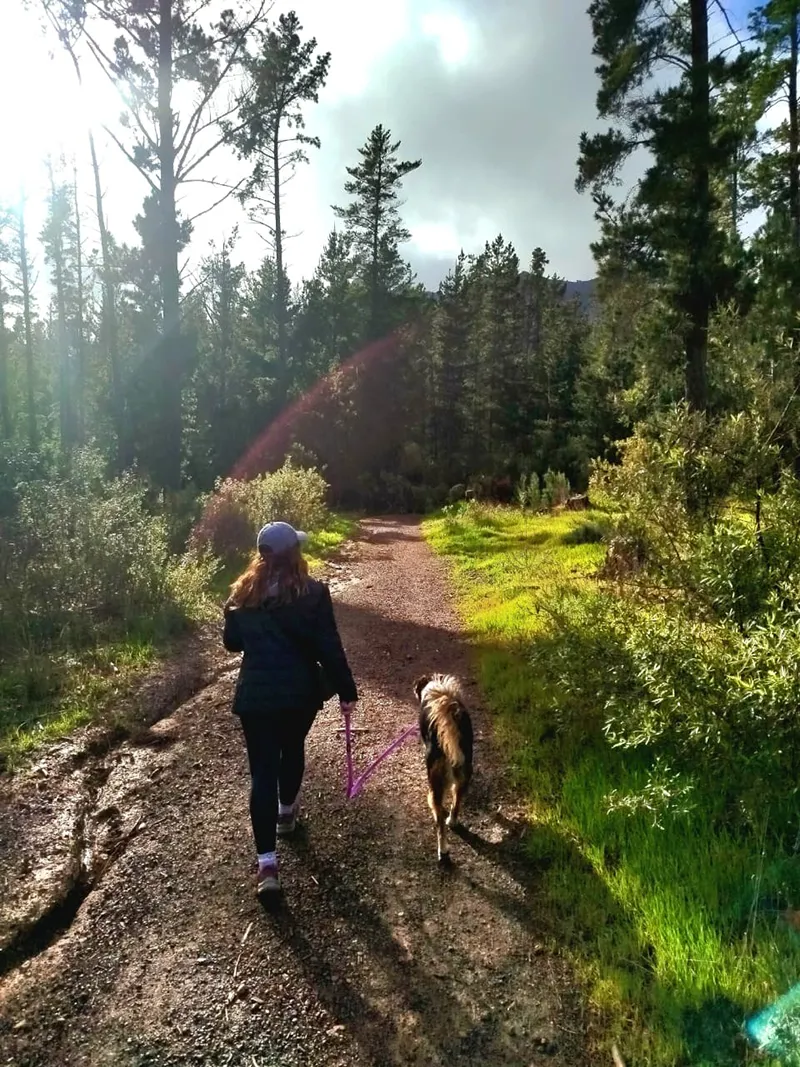
- Start with what your dog is already doing (e.g. 15–20 minutes of daily walking) and build from there
- Add 5–10 minutes to walks every few days, rather than doubling distance overnight
- Introducing higher-intensity activity (jogging, hiking, fetch, agility) gradually, 2 sessions a week to start, with rest in between
- Keep at least one full rest day between intense sessions, even once your dog is fitter
- If your dog is overweight, work on weight management alongside conditioning
Build Balance and Coordination
Balance and coordination are what let a fit dog land a jump cleanly or catch themselves after a stumble instead of getting hurt and they’re some of the first things to decline with time off or age, which is exactly why it’s worth building them at home with almost no equipment.
- Cavaletti walking: walk slowly over 4–6 low poles spaced a stride apart, to build coordination without jarring impact
- Sit-to-stands: a smooth sit-stand-sit rhythm builds strength in the back legs
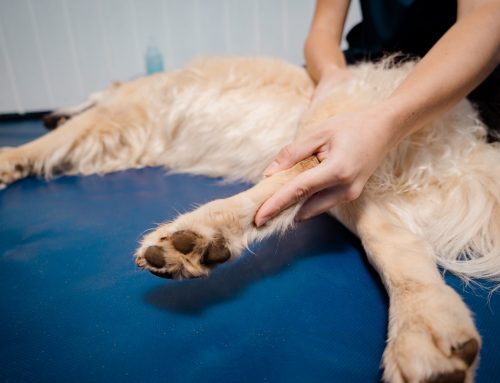
- Weight shifting: gently shift your dog’s weight side to side while they hold their footing, to strengthen stabilizing muscles
- Balance surface work: have your dog stand with two paws on a cushion or towel, to build core strength and stability
These exercises are for a dog with no current injury. If your dog has an injury, a limp, or a diagnosed joint condition, check with your vet or physiotherapist first.
Aim for 5–10 minutes, 2–3 times a week, alongside your normal walks.
Beat the Heat
Unconditioned dogs don’t cool themselves as efficiently, so heat exhaustion is a real risk even on days that don’t feel that hot.
- Exercise in the cooler parts of the day (early morning or evening) and bring water on any outing longer than a short walk
- Check pavement temperature with the back of your hand; if it’s too hot for you, it’s too hot for paws
- Take extra care with flat-faced breeds, seniors, and overweight dogs, who cool down less efficiently
If you notice heavy panting that won’t settle, bright red gums, or lethargy, stop activity, move to shade, and offer small sips of water right away. To avoid bloat in large or deep chested breeds, please do not allow your dog to drink excessive amounts of water until they have caught their breath.
Know the Signs of Fatigue
Your dog can’t tell you they’re tired, and by the time you spot obvious signs, fatigue has often been building for a while. Here’s what to watch out for:
Physical signs
- Heavier panting that doesn’t settle with a short pause
- Lagging behind, slowing pace, or reluctance to keep moving
- Stumbling, wobbling, or a shortened, choppier stride
- Sitting or lying down unprompted during activity
- Hunched or uneven posture, or shifting weight off a limb
- Excessive drooling
Stop and call your vet if you see: collapse or a wobbly gait, limping that doesn’t improve within a day, and get to a vet ASAP if you suspect your dog might have heatstroke
If your dog has seemed off, stiff, or lame after activity, even subtly, don’t wait it out. Book a session with us and we’ll help build a conditioning plan that gets them back to full strength safely.
The Takeaway
Spring conditioning doesn’t need to be complicated, require special equipment, or a training background. Treat spring as a season of building up, not making up for lost time. A few extra minutes of walking, a proper warm-up, and a bit of balance work put in a couple of times a week are the small, consistent habits that actually condition muscle, tendon, ligament and bone. This is what keeps dogs safe and active all season, far more than any single big outing could.
Give it a few weeks, and you’ll likely notice the difference! A dog who recovers faster, moves more freely, and is genuinely ready for spring adventures is the goal!
Written by Christi Bester